
Top Masonry Repair Tips for Your Home

Masonry is a fundamental element of many homes and commercial properties. It provides strength, durability, and aesthetic appeal. However, over time, masonry can suffer from wear and tear due to weather, age, and other factors. Addressing these issues promptly is essential to maintain the integrity and appearance of your property. In this post, I will share top masonry repair tips that will help you protect and enhance your home’s masonry structures.
Essential Masonry Repair Tips for Long-Lasting Results
Masonry repair requires attention to detail and the right techniques. Here are some essential tips to keep in mind:
Inspect regularly: Check your masonry for cracks, loose bricks, or crumbling mortar. Early detection prevents more extensive damage.
Clean surfaces properly: Dirt and moss can weaken masonry. Use gentle cleaning methods like low-pressure washing or soft brushes.
Use compatible materials: When repairing, match the mortar and bricks to the original materials to ensure proper bonding and appearance.
Seal cracks immediately: Small cracks can let moisture in, leading to bigger problems. Use appropriate sealants or mortar to fill them.
Maintain drainage: Ensure water flows away from masonry surfaces to prevent water damage and erosion.
Following these tips will extend the life of your masonry and keep it looking its best.
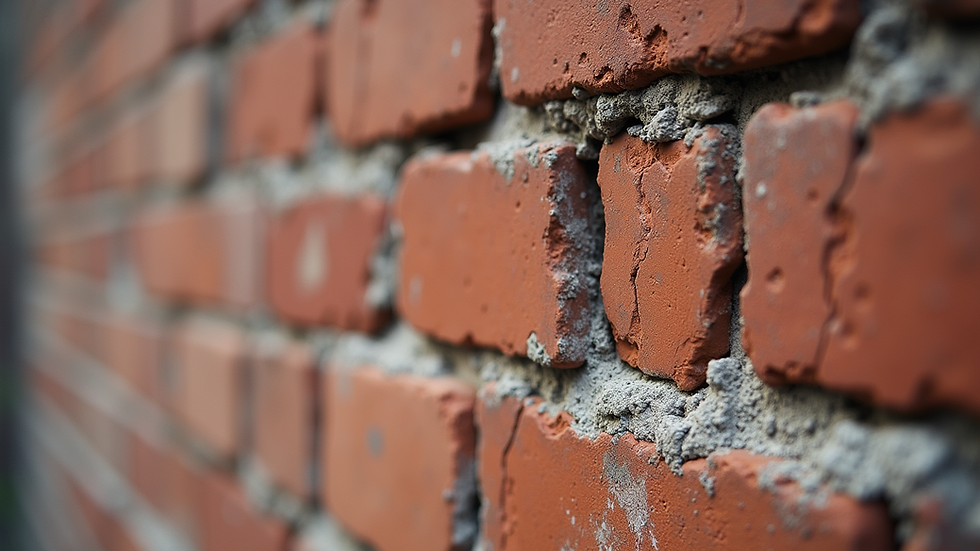
Cracked brick wall showing signs of wear and tear
How to Repair Damaged Masonry?
Repairing damaged masonry is a task that requires precision and the right approach. Here’s a step-by-step guide to help you tackle common masonry issues:
Assess the damage: Identify the type and extent of damage. Is it a small crack, loose brick, or mortar deterioration?
Prepare the area: Remove loose debris, old mortar, and damaged bricks carefully without harming surrounding masonry.
Mix mortar correctly: Use a mortar mix that matches the original in composition and color. Follow manufacturer instructions for mixing.
Apply mortar and replace bricks: Fill cracks or gaps with mortar. For loose or missing bricks, set them firmly in place with fresh mortar.
Tool the joints: Smooth and shape the mortar joints to match existing ones. This improves appearance and weather resistance.
Cure the repair: Keep the repaired area moist for several days to allow proper curing and prevent cracking.
Seal the surface: Apply a breathable masonry sealer to protect against moisture and stains.
If the damage is extensive or structural, consider consulting professionals who specialize in masonry repair services to ensure safety and quality.

Worker applying mortar to repair damaged brick wall
Common Masonry Problems and How to Fix Them
Masonry can face several common problems. Understanding these issues helps you address them effectively:
Cracks: Caused by settling, temperature changes, or moisture. Repair with crack fillers or repointing.
Spalling: Surface flaking due to freeze-thaw cycles or water damage. Remove damaged areas and replace bricks or apply patching compounds.
Efflorescence: White powdery deposits from salt buildup. Clean with a brush and water, and improve drainage.
Mortar deterioration: Mortar can crumble over time. Repointing with fresh mortar restores strength.
Bulging walls: Indicate structural issues. Require professional assessment and repair.
Addressing these problems early prevents costly repairs and preserves your property’s value.
Preventive Measures to Protect Your Masonry
Prevention is better than repair. Implement these measures to protect your masonry:
Regular inspections: Schedule seasonal checks to catch issues early.
Proper drainage: Keep gutters and downspouts clear to direct water away.
Seal masonry surfaces: Use breathable sealers to repel water without trapping moisture.
Control vegetation: Remove vines and plants growing on or near masonry to prevent root damage.
Avoid harsh chemicals: Use gentle cleaning agents to avoid damaging masonry surfaces.
These steps will help maintain your masonry’s durability and appearance for years.
When to Call for Professional Masonry Repair Services
Some masonry repairs require specialized skills and equipment. If you notice any of the following, it’s time to call experts:
Large cracks or structural damage
Bulging or leaning walls
Extensive mortar deterioration
Water infiltration causing interior damage
Historic or decorative masonry needing careful restoration
Professional masonry repair services ensure repairs are done safely and effectively. They use quality materials and techniques that extend the life of your masonry.
Taking prompt action with professional help can save you money and protect your property’s structural integrity.
Maintaining your masonry is crucial for the safety and beauty of your home or commercial property. Use these top masonry repair tips to identify issues early, perform effective repairs, and prevent future damage. When in doubt, rely on trusted professionals to deliver durable and high-quality results. Your masonry deserves the best care to stand strong for years to come.


Used the bingo card maker for our office holiday party. 30 unique cards plus a caller sheet, ready in five minutes.